

Owning premium teak outdoor furniture is a wonderful investment that can elevate your outdoor living experience. However, to ensure its longevity and beauty, regular maintenance is key. In this post, we will share essential tips to help you care for your teak furniture so it remains in pristine condition for years to come.
1. Choosing the Right Location
Selecting an appropriate spot for your teak furniture can protect it from harsh weather and excessive sunlight. For instance, placing your furniture under a covered patio or gazebo can significantly reduce exposure to rain, snow, and UV rays. This simple choice can enhance the longevity of your pieces, keeping them looking vibrant and fresh.
Moreover, don’t forget about the ground beneath. A surface that allows water drainage is ideal to avoid premature wear from moisture. Consider using outdoor rugs or pads designed for this purpose, as they can help maintain a stable environment for your furniture, contributing to its overall health.
2. Regular Cleaning Practices
Routine cleaning with mild soap and water keeps your furniture free from dirt and grime. A simple mix of soapy water and a soft cloth can do wonders. Make it a habit to clean your teak every couple of weeks, especially during pollen-heavy seasons or following heavy storms. This proactive approach not only maintains the wood’s natural beauty but also prevents the buildup of unwanted substances.
For those stubborn spots, consider using a soft brush to dislodge dirt without scratching the surface. However, remember to let the furniture dry thoroughly after cleaning, as moisture can lead to mold growth if trapped in the wood’s grain. A quick wipe down after a rainstorm can make all the difference.
3. Using Protective Covers
Investing in quality covers can shield your furniture from the elements when not in use. Look for breathable options that prevent moisture build-up while safeguarding against dust and debris. It’s tempting to skip this step during mild weather, but consistent protection helps maintain your teak’s integrity throughout the year.
Additionally, employing covers in winter can save you from laborious cleaning and repairs come spring. Just remember to choose covers that fit your pieces snugly, ensuring that wind doesn’t whip them off unexpectedly. A well-protected piece will thank you with years of spectacular performance.
4. Understanding Teak Oil Treatments
Applying teak oil can help restore the rich color of the wood and protect against drying out. However, it’s important to understand that not all teak requires oiling. Newly purchased furniture often has sufficient oil, so wait several months before applying any. When you do, make sure to choose a high-quality product and apply it evenly using a soft cloth.
If you prefer the natural silver-gray look that teak develops, you might opt to skip oiling altogether. This beauty is unique to aged teak, providing that charming weathered appearance. Just be consistent with your cleaning and maintenance, and you’ll find that your furniture requires less intervention than you might expect.
5. Avoiding Harsh Chemicals
Stay away from abrasive cleaners that can damage the surface of your teak furniture. Many store-bought products, even seemingly harmless ones, contain chemicals that may strip the natural oils from the wood. Always choose natural or eco-friendly options whenever possible, ensuring that your cleaning routine remains safe and effective.
In fact, opting for homemade cleaning solutions can be a great way to ensure that you’re treating your teak right. A simple mixture of vinegar and water can effectively manage stains without compromising the wood’s integrity. Remember, your teak deserves the best, so treat it with care.
6. Dealing with Mildew and Mold
Addressing mold and mildew immediately prevents long-term damage to your furniture. If you notice any signs, such as dark spots or discoloration, take action right away. A gentle scrub with diluted vinegar can usually eliminate these nuisances without harming the wood itself.
After cleaning, be sure to dry your furniture well and ensure it has adequate ventilation. This not only helps resolve the immediate issue but also makes it less likely for mildew to return. Timely action can not only save your furniture but also keep it looking its best all year round.
7. Sanding for a Fresh Look
Light sanding can remove scratches and restore the smooth surface of older teak furniture. Use fine-grit sandpaper and take care to follow the wood’s grain. Be patient; you don’t have to remove all the color but rather focus on the areas that need a little TLC.
After sanding, it is a good practice to give your furniture a thorough cleaning to remove any dust. This small investment in time can yield beautiful, refreshed surfaces that make your outdoor space truly inviting. It’s amazing how much character a little sanding can bring back to your beloved pieces.
8. Checking for Loose Joints
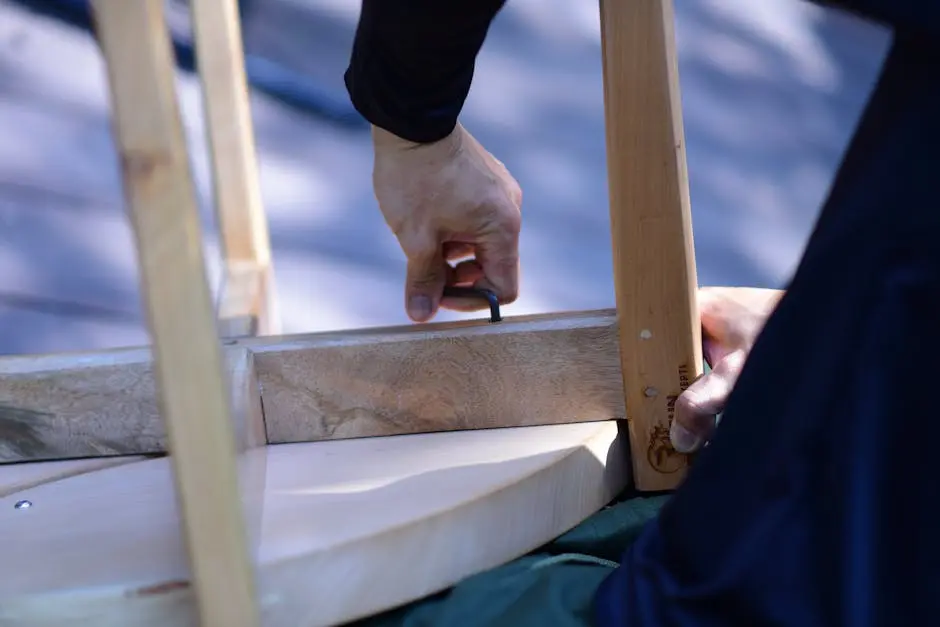
Regularly inspecting joints ensures structural integrity and stability in your furniture. Just like you would with a vehicle, routine checks can save you from bigger problems down the line. If you notice any loose screws or wobbly legs, simply tighten them up or replace what’s necessary.
This simple act of maintenance can prevent accidents and prolong the life of your outdoor furniture. Remember, a sound structure supports both comfort and safety, allowing you to fully engage and enjoy your outdoor experiences.
9. Seasonal Care Adjustments
Adapting your furniture care routine according to the seasons can promote longevity. In spring and summer, focus more on cleaning and protection against UV rays. Fall brings a different set of challenges; dealing with leaves and debris can become a common task. Adjust your care based on the weather; after heavy rain, moisture should be checked.
In winter, consider bringing smaller pieces inside if possible, or ensure they are well-protected with covers. These seasonal adjustments not only enhance your teak’s longevity but affirm your investment, allowing you to appreciate your furniture to its fullest potential throughout the year.
10. Protecting Against Sun Damage
Using UV protectants can help minimize fading and damage from sunlight. Even premium teak outdoor furniture can lose its luster with prolonged exposure to the sun. Products specifically designed for outdoor wood furniture can offer an extra layer of protection, ensuring that your beautiful pieces stay vibrant.
Similarly, if you’re setting up your furniture by a pool or on a sun-drenched patio, consider utilizing patio umbrellas or awnings to provide shade. Consistent protection from direct sunlight will keep your furniture looking its best and make your outdoor area far more enjoyable.
11. Storing Furniture for Winter
Proper storage during colder months can significantly extend the life of your furniture. If possible, store your pieces in a dry, sheltered environment. A garage, shed, or designated storage area can protect them from harsh winter weather, ultimately helping to preserve their beauty.
If you don’t have the luxury of indoor storage, make sure your covers are fitted and secure to shield against snow and ice. During winter months, keeping your furniture clean and dry becomes even more critical, so plan periodic checks to make sure everything is in order.
12. Embracing the Natural Aging Process
Accepting the natural silver-gray patina as part of the teak’s charm can simplify maintenance. This process is an inherent characteristic of teak that many owners come to appreciate over time. Instead of constantly battling this aging process, lean into it; understand that it reflects your furniture’s history and journey.
Moreover, minor updates like occasional cleaning and oiling can keep it from deteriorating more than necessary. Ultimately, this relaxed approach can also lead you to enjoy your outdoor space more organically, allowing your furniture to tell its own story through the years.